Greenwich Market Removal Tips for Narrow Streets and Access
Moving in and around Greenwich Market is a different sort of puzzle. The streets are busy, parking can be tight, and one badly timed van can throw the whole day off. If you are looking for Greenwich Market removal tips for narrow streets and access, you are probably already aware that the usual "just park outside and unload" approach does not really cut it here. Truth be told, it rarely does.
This guide walks you through the practical side of a move in a tight London setting: how to plan access, choose the right vehicle, protect fragile items, work around delivery restrictions, and reduce the stress that narrow streets can create. Whether you are moving a flat, a small business unit, or a market-adjacent property, the goal is the same: keep people safe, keep things moving, and avoid the kind of delays that make everyone slightly testy by 9 a.m.
Along the way, you will also find a realistic checklist, a comparison table, and a few local-minded tips that matter more than most people expect. Let's face it, a good move in Greenwich is often less about muscle and more about timing, route sense, and sensible prep.
Table of Contents
- Why Greenwich Market removal tips for narrow streets and access Matters
- How Greenwich Market removal tips for narrow streets and access Works
- Key Benefits and Practical Advantages
- Who This Is For and When It Makes Sense
- Step-by-Step Guidance
- Expert Tips for Better Results
- Common Mistakes to Avoid
- Tools, Resources and Recommendations
- Law, Compliance, Standards, or Best Practice
- Options, Methods, or Comparison Table
- Case Study or Real-World Example
- Practical Checklist
- Conclusion
- Frequently Asked Questions
Why Greenwich Market Removal Tips for Narrow Streets and Access Matters
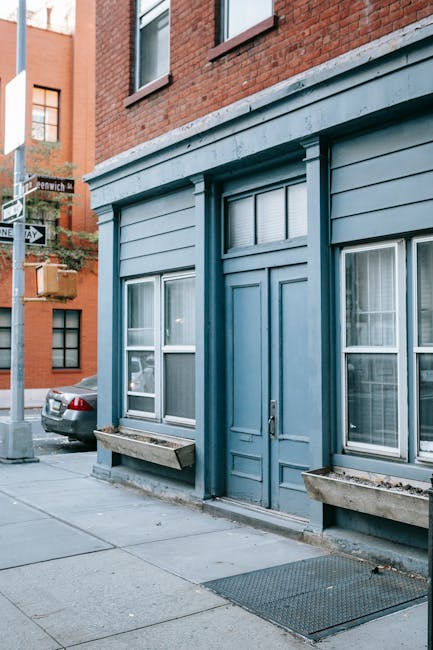
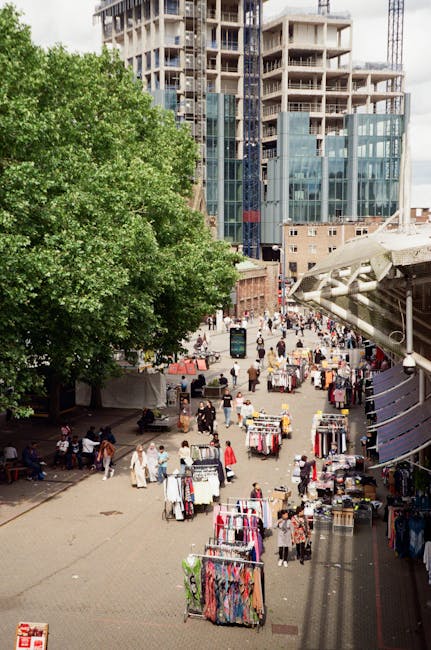
Greenwich is charming, but charm and logistics are not always best friends. Around the market area, you can run into one-way systems, short kerb spaces, pedestrians stepping out without much warning, and the kind of street width that makes a standard removal van feel a bit too ambitious. If you do not plan properly, even a small move can become a stop-start affair with expensive waiting time and a lot of lifting over awkward distances.
What makes access so important is not just inconvenience. It affects safety, timing, cost, and the condition of your belongings. A sofa dragged from a van that cannot park properly may scrape walls, doorframes, or the item itself. A driver forced to double park may have to unload in a hurry. And if the street is shared with shoppers, deliveries, or market traffic, you also have to think about pedestrians and line-of-sight. In a busy area, everybody is doing something at once. That is the real issue.
For anyone moving near Greenwich Market, access planning is not a luxury detail. It is the backbone of the move. If you get this right, the rest feels much smoother. If you get it wrong, you spend the morning apologising, sweating a bit, and wondering why the chest of drawers looked lighter in the shop.
Key point: in narrow-street moves, the best removal tip is usually not "work harder", but "remove uncertainty before moving day".
How Greenwich Market Removal Tips for Narrow Streets and Access Works
The basic idea is straightforward: you break the move into access decisions before any lifting begins. That means looking at where the vehicle can stop, how long it can stay there, whether the route from property to van is clear, and whether the items need to be carried through stairs, courtyards, or shared entrances. Once that is mapped out, the rest becomes much easier to coordinate.
A good narrow-street move usually works in layers:
- First, identify the property entrance and the nearest practical stopping point.
- Then, check height, width, turning room, and anything that could block a van, such as bollards, tight corners, or parked vehicles.
- Next, decide whether the load should be split into smaller trips or moved in one controlled sequence.
- Finally, align the timing with local traffic patterns so the crew is not competing with market footfall or delivery windows.
The other part of how it works is communication. The driver, movers, property contact, and any neighbours affected by access all need the same simple plan. You do not need a 20-page document. A short, clear run sheet often works better. One page, preferably. Enough to tell everyone where to be, what to expect, and what to do if access changes at the last minute. Because in central Greenwich, it might.
If your move includes temporary storage, it can be useful to stage items before or after moving day. That reduces pressure on the access window and lets you work in smaller, calmer batches. If you want to compare service options or get a feel for how bookings are structured, take a look at pricing and quotes for a sense of what may suit your move.
Key Benefits and Practical Advantages
When you plan a removal properly for a narrow street, the benefits are very real. Some are obvious, some only show up when you have done a few moves the hard way. Either way, they matter.
Smoother loading and unloading
A van positioned well can save a surprising amount of effort. Less carrying distance means fewer trips, less fatigue, and lower risk of drops or knocks. That matters even for small items. A lamp, a picture frame, or a washing machine all become harder work when the van is two streets away and the pavement is crowded.
Lower risk of damage
Good access planning reduces the chances of scraping walls, clipping door handles, or bumping furniture on tight corners. In narrow Greenwich streets, the route from front door to vehicle is often more dangerous than the vehicle journey itself. A little planning does a lot.
Better time control
Timing matters more than people think. If you know exactly when the lift is available, when the van can park, and when the market area is likely to be busiest, you can avoid those awkward gaps where the team is standing around waiting. Nobody loves that. Not the mover, not the customer, and not the neighbours hearing box tape at 7:15 in the morning.
Less stress for everyone
Stress climbs fast in tight spaces. One blocked gate or one late arrival can sour the whole move. A sensible plan helps everyone stay calm, which is half the battle. You will notice it straight away: fewer rushed decisions, fewer sharp instructions, fewer "where did we put the keys?" moments.
More flexibility if plans change
And they do change. A road may be busier than expected. A loading bay may already be occupied. A lift may be slower than planned. If you have already thought through backup access, you can adapt without panic. That is worth a lot, especially when you are moving around an area as active and visually busy as Greenwich Market.
Who This Is For and When It Makes Sense
This advice is useful for anyone moving in or near Greenwich Market, but it is especially relevant if your property sits on a narrow side street, above a shop, in a listed or older building, or in a place with limited stopping space. The same goes for small businesses relocating stock, fixtures, or display equipment. Access challenges are not just for household moves.
You will also benefit if:
- you are moving on a weekend or during market hours
- the property has stairs, shared corridors, or a tight doorway
- you are transporting bulky items such as wardrobes, beds, or catering equipment
- you need to coordinate with tenants, building managers, or shop neighbours
- you want to reduce the time the van spends idling or circling the block
Sometimes the best answer is to split the move into smaller segments. That can feel slower on paper, but in practice it is often much cleaner. If you are storing some items temporarily, it can also reduce pressure on the access window. For more on practical preparation and how a local provider frames its service, the about us page can help set expectations around approach and experience.
There is a good rule of thumb here: if you are already worrying about access while making the booking, the move probably deserves a more detailed plan than usual. That is not a bad thing. It just means you are being realistic.
Step-by-Step Guidance
Here is the practical sequence that tends to work best for Greenwich Market removals where access is tight. Keep it simple. Simple is good.
1. Survey the route before moving day
Walk the route from the property to the nearest realistic stopping point. Do this at roughly the time of day you will move if you can. A street that looks calm at 11 a.m. can feel very different at 8 a.m. once traders, deliveries, school runs, and commuters are all awake and moving.
Look for low branches, parked cars, railings, bin points, steps, kerbs, and pinch points where two people cannot pass comfortably with a wardrobe or mattress. If you are moving from a building with shared access, check whether there are door codes, fobs, concierge timings, or lift restrictions that need sorting in advance.
2. Measure the awkward items
Do not assume a sofa will fit because it fitted when you bought it. Measure width, height, and depth. Then compare those measurements to the stairwell, doorway, and vehicle space. It is a small job that saves a lot of nonsense later. Honestly, this is one of those tasks that feels tedious until it saves your day.
3. Decide the best vehicle size
In narrow streets, a smaller van can sometimes be the smarter choice because it is easier to place, easier to turn, and less likely to block traffic. A larger van may carry more, but if access is poor it can cost you time and create more risk. Choose the vehicle for the street, not just for the volume.
4. Book the right time slot
Try to avoid peak crowd times near the market if possible. Early starts can help, but only if building access, neighbour noise expectations, and parking arrangements are all in order. There is no magic hour. There is only the hour where the street is least awkward. That is the one you want.
5. Prepare the property
Clear hallways, remove loose rugs, protect floors, and keep doors open where it is safe to do so. In older Greenwich homes, stairs and doorframes can be tighter than expected, so protection matters more than you might think. A folded blanket in the wrong place can trip someone just as easily as a stray box.
6. Pack for fast access
Items that need to come out first should be labelled clearly and kept near the exit. Do not bury kettle boxes at the back if they are needed immediately. A simple colour system often works well: one colour for kitchen, one for breakables, one for essentials. Nothing fancy.
7. Have a backup plan
If the street is blocked, the loading point is occupied, or a lift is out of service, decide in advance what happens next. Could the van pause briefly and return? Can a second person watch the route while the first unloads? Can you switch to a staged carry? This is the difference between a delay and a disaster.
8. Confirm end-of-day storage or delivery steps
If items are not going straight to their final home, make sure the storage point or delivery address is ready. For some moves, temporary storage is the pressure-release valve that makes the rest manageable. If that is part of your plan, it helps to review insurance and safety guidance so you understand how belongings are typically handled and protected.
Expert Tips for Better Results
Small decisions make the biggest difference in narrow-street moves. That is the honest version. Here are the tips that usually matter most.
- Use a loader or mover as a spotter. One person should watch corners, traffic, and pedestrians while another handles the item. It feels slower at first, but it is usually faster overall.
- Protect corners before you start. Stair rails, bannisters, and wall edges are common contact points. A bit of padding costs far less than a repair.
- Leave extra time for the final 20 metres. The last part of the move often takes longer than the rest because access gets tighter near the entrance or door.
- Keep essentials separate. Documents, chargers, medication, keys, and one set of clothes should not be buried in the van. It sounds obvious. People still do it.
- Use smaller cartons for heavy items. A large box full of books becomes awkward fast on stairs. Your back will tell you, loudly.
One thing we often suggest is to think like a pedestrian for a minute. If you were walking past the move with shopping bags, where would you step? What would feel blocked? That mindset helps you spot friction before it becomes a problem.
If you are comparing support options and want to understand how a provider treats enquiries, payments, and customer data, the pages on payment and security and privacy policy can be useful for reassurance. Not glamorous reading, admittedly, but worth a look.
Common Mistakes to Avoid
A few mistakes appear again and again with tight-access removals. Most are avoidable once you know what to watch for.
Assuming access will be fine on the day
It often is not. A street that looks workable from memory can be much more awkward with market footfall, parked vehicles, and delivery activity. Check, do not guess.
Booking a vehicle that is too large
People sometimes choose the biggest van they can get because it sounds efficient. Then they discover that the vehicle cannot sit where they need it to, or cannot turn cleanly, and the move slows down. Bigger is not always better. Annoying, but true.
Ignoring neighbour and building restrictions
Shared entrances, managed blocks, and close residential streets can create practical limits even when there is no formal issue. Noise, access timing, and doorway use all matter. A quick conversation in advance is often enough to prevent friction.
Underpacking fragile items
When a move involves lots of stops and starts, badly packed items are the first to suffer. Use proper wrapping, fill voids, and avoid loose stacking in the van. A wobbly box on a tight corner is asking for trouble.
Forgetting parking and waiting time
Short-distance moves are not always short-duration moves. If the van cannot stop near the property, the crew may spend extra time carrying. Build that into the plan. Otherwise the whole day feels like it is running behind before it has even begun.
Leaving recycling to the end
Cardboard, wrap, and broken-down flat-pack waste can pile up quickly. If you leave it all until after the move, the clean-up becomes another job. Better to plan disposal as part of the process. For a responsible approach to waste handling, see the recycling and sustainability page.
Tools, Resources and Recommendations
You do not need a truck full of fancy gear to manage a narrow-street removal, but a few practical tools make life easier.
| Tool or resource | Why it helps | Best use case |
|---|---|---|
| Furniture blankets | Protects corners, doors, and finishes during awkward carries | Sofas, wardrobes, tables, and appliances |
| Heavy-duty trolleys | Reduces manual carrying over short distances | Boxes, boxes of stock, and heavier household items |
| Ratchet straps or secure ties | Keeps loads stable during transit | Mixed loads and partial van fills |
| Labels and colour tape | Makes unloading faster and more organised | Multi-room moves or staged storage |
| Door and corner protectors | Limits damage in tight hallways and stairwells | Older buildings and narrow internal routes |
On the planning side, a short written brief is often the most useful resource of all. It can include the pickup address, preferred arrival time, any access codes, the nearest loading point, item priorities, and contact details. Keep it readable on a phone screen. Nobody wants to squint at a giant note while standing in the road.
If you are at the research stage, it can also help to check a provider's public policies, not because you expect drama, but because good transparency matters. Pages like health and safety policy and terms and conditions can give you a clearer sense of how a company works and what standards they expect on site.
Law, Compliance, Standards, or Best Practice
For any removal in a busy London area, the safe route is to follow local parking and access rules, respect building management requirements, and keep the work aligned with general health and safety best practice. You do not need to become a legal expert, but you do need to avoid blocking roads, creating hazards, or using access arrangements that have not been agreed.
Good practice usually includes the following:
- keeping walkways clear wherever possible
- using enough people for the weight and size of the item
- checking that lifting routes are safe before starting
- making sure drivers do not overstay in restricted or shared areas
- handling fragile or valuable items with clear packing and signage
If children, residents, or customers are likely to be passing through the area, the standard of care should be higher still. That is just common sense, really. A move should not turn the street into an obstacle course.
It is also wise to read any relevant service terms carefully before booking. If access is difficult or timing is sensitive, knowing the conditions in advance can save a lot of back-and-forth later. For broader company information and support, the contact us page is the natural next step if you need clarification.
Options, Methods, or Comparison Table
There is more than one way to handle a Greenwich removal with narrow access. The right method depends on how tight the street is, how many items you have, and how much flexibility you need.
| Method | Best for | Pros | Trade-offs |
|---|---|---|---|
| Standard van with direct curb access | Moderate access and simple pickups | Fast, efficient, fewer hand-carry steps | Needs space that may not exist near the market |
| Smaller van or shuttle approach | Tight streets and short carrying distance to a larger vehicle or storage point | More flexible, easier to place in awkward streets | May require extra handling or multiple trips |
| Staged move with temporary storage | Homes or businesses with access limits, phased moves, or timing gaps | Reduces pressure, helps organise items cleanly | Adds another step and needs planning |
| Off-peak timed removal | Busy streets with predictable traffic patterns | Less congestion, smoother loading | May be harder to arrange around work hours or building rules |
In practice, the staged move is often the hidden winner. It is not as dramatic as a one-shot removal, but it can make a tight Greenwich move feel far less chaotic. There is something to be said for quiet competence.
Case Study or Real-World Example
Consider a typical scenario: a small flat near Greenwich Market, second floor, no lift, and a narrow street with limited stopping space. The move includes a bed frame, mattress, books, kitchenware, and a couple of fragile mirrors. Nothing outrageous, but enough to create problems if tackled casually.
The team does a pre-walk the day before and notices that the closest realistic stopping point is not outside the front door but a short distance down the road where the van can sit without blocking the junction. They also see that the stairwell narrows slightly on the landing, so the bed frame will need to be carried upright for part of the descent.
On moving day, the boxes labelled "kitchen first" and "essentials" are loaded last so they come off first. A helper stands at the corner to keep the route clear for pedestrians. The mattress is wrapped before it leaves the building, and the mirrors are carried separately, not squeezed into a mixed load because "it'll probably be fine".
The result? Fewer trips back and forth, no damage, and no panicked search for tea bags at 6 p.m. That last part matters more than people admit. The move still takes effort, of course, but it feels controlled rather than frantic. And that is the whole point of good access planning.
Practical Checklist
Use this before moving day. It is simple, but it saves stress.
- Confirm the exact pickup and drop-off addresses
- Walk the route and note narrow points, steps, and obstacles
- Measure large furniture and doorways
- Check where the van can legally and safely stop
- Agree the moving time with building managers or neighbours if needed
- Label boxes by room and urgency
- Wrap fragile items separately
- Reserve extra time for loading and unloading
- Prepare floor and wall protection inside the property
- Have a backup plan if the street is busier than expected
- Keep keys, documents, and chargers with you
- Plan for recycling or disposal of packing waste
Quick reassurance: if you have only done half of this so far, you are not behind. Start with the route, the vehicle, and the timings. Those three usually do most of the heavy lifting, if you'll pardon the phrase.
Conclusion
A successful Greenwich Market move is rarely about brute strength. It is about access, planning, and a calm sequence of small decisions made before the first box moves. Narrow streets reward preparation. They really do. If you know where the vehicle can go, how the load will travel, and what to do when the street gets busy, the whole removal becomes safer, faster, and far less stressful.
The best Greenwich Market removal tips for narrow streets and access are simple in principle: survey early, keep the load manageable, protect the property, and build in flexibility. That may not sound glamorous, but it is how smooth moves actually happen in real life. One sensible step at a time.
If you want a clearer idea of costs, options, or how to stage a move that works around access limits, speak to the team and compare the practical route before you commit.
Get a free quote today and see how much you can save.
And if the day feels a bit much, that is normal. A good move is not about being perfect; it is about getting everyone, and everything, across the line safely.
Frequently Asked Questions
What are the best Greenwich Market removal tips for narrow streets and access?
The best tips are to survey the route early, choose the right vehicle size, book a sensible time slot, protect tight internal spaces, and keep a backup plan ready. In narrow streets, planning usually matters more than speed.
How do I know if a van will fit near Greenwich Market?
Measure the access space in advance, look for turning room, parked cars, kerbs, and any loading restrictions. If you are unsure, assume the street is tighter than it looks from memory. That sounds cautious, but it saves trouble.
Should I use a larger van or a smaller one for a Greenwich move?
Smaller vans are often easier in narrow streets because they are simpler to position and less likely to block traffic. A larger van can be more efficient for volume, but only if access is genuinely workable.
What if there is no parking right outside the property?
Use the nearest safe and legal stopping point, then plan for a short carry route. If necessary, break the move into smaller loads or use temporary storage so the access pressure is reduced.
How far in advance should I plan a narrow-street removal?
As early as you can, especially if you are moving during busy market times or through a managed building. Even a short move can benefit from a few days of route and timing checks.
Are Greenwich Market removals more expensive because of access issues?
They can be, depending on the amount of carrying involved, the vehicle needed, and how much extra time access challenges create. The best way to manage cost is to be accurate about the route and the load from the start.
What should I pack separately for easy access on moving day?
Keep essentials like keys, chargers, medication, documents, and one change of clothes separate. Also keep first-night items accessible so you are not hunting through boxes at the end of a long day.
How do I protect furniture on tight staircases and doorways?
Use blankets, corner protectors, wrapping, and enough hands for the lift. Avoid dragging items around corners if they can be carried cleanly instead. Slow is not always slow; sometimes it is just careful.
Can temporary storage help with Greenwich Market access problems?
Yes, very often. Storage lets you split the move into manageable stages, which is helpful when the street is busy or the property access is awkward. It can take a lot of pressure off moving day.
What are the most common mistakes people make in narrow street moves?
The big ones are assuming access will be fine, choosing the wrong vehicle size, underestimating carrying distance, and forgetting to protect fragile items. People also forget timing. That one catches a lot of moves out.
How can I avoid delays if the street is busy on the day?
Start early if possible, keep the route clear, use a spotter, and have one person watching for pedestrians or delivery vehicles. If the access point is blocked, be ready to shift to your backup plan without delay.
Where can I get more information before booking a move or storage support?
You can review the service information, policies, and support pages to understand the process better. Helpful starting points include health and safety guidance, insurance and safety information, and pricing and quotes.