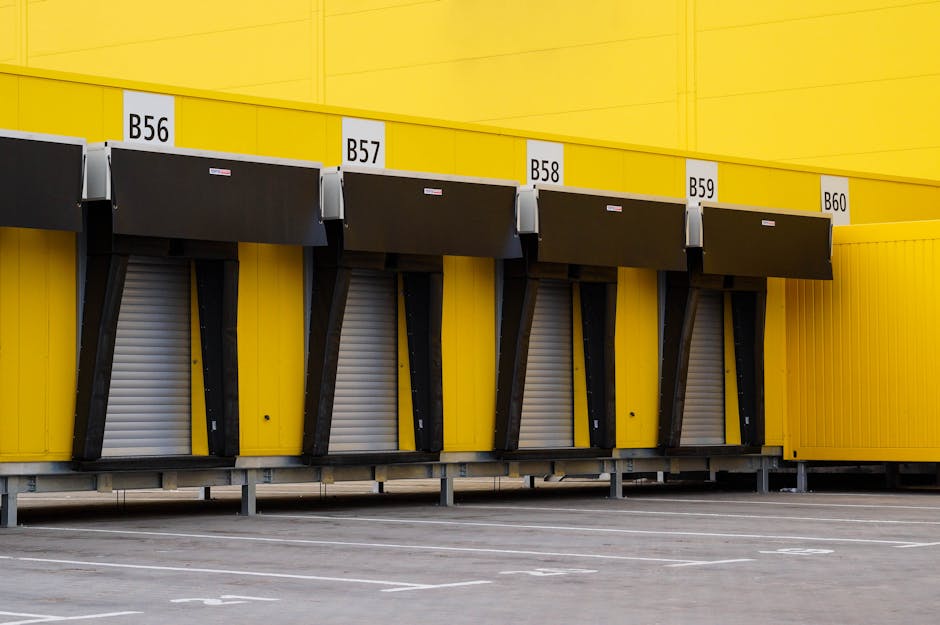
Removals Greenwich Peninsula moving tips for tight loading bays
If you are planning a move around Greenwich Peninsula, you already know the awkward bit is rarely the boxes. It is the loading bay. Tight spaces, shared access, low patience from neighbours, and a van that feels a touch too long for comfort can turn a simple moving day into a bit of a circus. The good news? With the right planning, removals Greenwich Peninsula moving tips for tight loading bays can make the whole process calmer, quicker, and far less stressful.
This guide is built for real-world moving conditions in the area: apartment blocks, managed estates, one-way access routes, time slots, lifts that may or may not cooperate, and bays that disappear fast if you leave things to chance. We will walk through what matters, how to prepare, what to avoid, and how to keep the move efficient even when access is tight. Truth be told, a little organisation goes a long way here.
Table of Contents
- Why Removals Greenwich Peninsula moving tips for tight loading bays Matters
- How Removals Greenwich Peninsula moving tips for tight loading bays Works
- Key Benefits and Practical Advantages
- Who This Is For and When It Makes Sense
- Step-by-Step Guidance
- Expert Tips for Better Results
- Common Mistakes to Avoid
- Tools, Resources and Recommendations
- Law, Compliance, Standards, or Best Practice
- Options, Methods, or Comparison Table
- Case Study or Real-World Example
- Practical Checklist
- Conclusion
- Frequently Asked Questions
Why Removals Greenwich Peninsula moving tips for tight loading bays Matters
Tight loading bays are not a minor inconvenience. They shape everything about the move: vehicle choice, timing, walking distance from van to entrance, loading order, manpower, and how long the bay stays usable. In Greenwich Peninsula, where apartment living is common and access can be constrained by estate layouts or busy shared roads, a small mistake can cause a chain reaction. The van is late. The lift is busy. The bay is blocked. Suddenly, what should have been a controlled move becomes a rushed one.
That is why planning for access is just as important as packing the right boxes. A move with a tight bay is really a logistics exercise. You are not just transporting belongings; you are managing space, timing, and permissions. And to be fair, that sounds a lot more complicated than it is once you break it into steps.
One thing people often underestimate is the hidden cost of poor access. If a van has to park farther away, the carry distance increases. If items need to be shuttled in small batches, labour time rises. If the bay cannot be held, you may end up waiting around while boxes sit in a corridor. None of that is ideal on a moving day when everyone is already a bit tired and running on tea and nerves.
For that reason, removals Greenwich Peninsula moving tips for tight loading bays are less about clever tricks and more about sensible preparation. The move becomes smoother when you know the constraints before the first box leaves the flat.
How Removals Greenwich Peninsula moving tips for tight loading bays Works
The basic idea is simple: reduce friction before the van arrives. In practice, that means understanding the site, measuring the access, coordinating timing, and making sure the team can load fast and safely once the vehicle is in position.
Here is how a well-managed move usually works in a tight bay setting:
- Check access details early. Find out the bay size, height restrictions, turning space, and any estate rules. If the loading area is shared, ask when it is usually busiest.
- Choose the right vehicle. A larger van may reduce trips, but if it cannot manoeuvre properly, it can create delays. Sometimes a medium van is the smarter call.
- Pre-pack by room and priority. The first things off the property should be the easiest to stack and the most useful at the new address.
- Reserve or time the bay if possible. If your building management or local arrangements allow it, line up your slot so you are not competing with deliveries or neighbours.
- Stage items near the exit. Having bags, boxes, and dismantled furniture grouped near the front door saves repeated walking.
- Load in a disciplined order. Heavy and bulky items go in first. Fragile or awkward items go last and are secured carefully.
That sounds straightforward, and mostly it is. The hard part is remembering that in a tight bay, every extra minute matters. There is no luxury of wandering back and forth deciding where the kettle went. Not on this sort of move.
If you are using a broader removals service, it helps to choose one that is used to local access issues. A team that regularly handles local removals or man and van jobs in the area is more likely to understand how quickly bay access can change the pace of a move.
Key Benefits and Practical Advantages
Good access planning does more than save stress. It improves the whole moving experience in ways you notice immediately.
- Less waiting time. If the van can pull in, load, and leave efficiently, you are not stuck watching the clock.
- Lower risk of damage. Shorter carry distances mean fewer knocks on doorframes, stair corners, and lift edges.
- Better use of labour. Movers spend more time loading and less time navigating awkward parking or carrying items from far away.
- Cleaner property handover. A quicker, tidier move helps you leave the old place in better shape. Neat, simple, done.
- Less disruption for neighbours. Shared residential bays can be sensitive spots. Fast loading reduces friction with residents and building management.
- More predictable costs. When access is planned properly, the job is less likely to overrun because of delays.
There is also a psychological benefit. You feel in control. That sounds small until you are standing outside a building with a trolley, a couple of boxes, and a van trying not to block a corner. Then it feels very important indeed.
Where storage is part of the plan, especially if the new home is not quite ready or the bay is too limited for a single seamless move, services such as removals and storage or short-term storage can add breathing room without forcing everything to happen in one chaotic window.
Who This Is For and When It Makes Sense
This approach makes sense for a wide range of movers, but especially for people dealing with restricted access, compact loading areas, or buildings with tighter management rules.
- Flat movers in Greenwich Peninsula. Apartment moves often involve lifts, shared entrances, and a bay that needs to be used efficiently.
- Families moving from nearby streets or estates. Households with lots of furniture benefit from a proper loading plan, especially if parking is limited.
- Professionals moving into or out of modern developments. Time windows can be tight, and reception teams often expect clear scheduling.
- Landlords and tenants with end-of-tenancy deadlines. If you need to hand keys back on time, you cannot afford access delays.
- Businesses relocating equipment or files. Office moves can be particularly awkward if loading bays are shared or blocked during the day. For that, it can help to look at office removals or even business storage if the move needs a staged approach.
It also makes sense if your possessions include awkward furniture, fragile items, or lots of smaller boxes. Tight loading bays are not the place to discover that the wardrobe was never dismantled. Been there, seen the panic.
Step-by-Step Guidance
The simplest way to handle a tight loading bay move is to work backwards from the van arrival time. Start with what has to be ready first, then build everything around that.
1. Confirm access and timing early
Before moving day, check whether the bay is shared, reserved, gated, or restricted by any estate management rules. If there is a booking system, make sure your slot is written down clearly. If there is no booking system, ask what tends to happen in practice, because the practical version is often different from the official one.
Also think about peak traffic. Morning school runs, delivery windows, and lunch-time service traffic can affect approach roads more than people expect. A 20-minute delay can become a 45-minute delay with remarkable speed.
2. Measure the realities, not just the plan
If possible, check the height, width, and turning room for the vehicle. You do not need architectural drawings; you need enough information to avoid an awkward arrival. Measure the lift size too if you are in a flat, because oversized furniture may need to be taken apart or moved in a different sequence.
3. Pre-sort everything by loading priority
Group items into three categories:
- First out: heavy furniture, stacked boxes, and large appliances.
- Middle: standard household boxes and medium-weight items.
- Last: fragile items, loose essentials, and anything that should not be crushed.
This helps the team work at pace without damaging delicate items. It also stops the classic last-minute hunt for the kettle, which is never as amusing as people think.
4. Use clear labels and a room plan
Label boxes by room and priority. A simple mark like "kitchen - first open" or "bedroom - fragile" saves time at both ends. A room plan on paper helps if you are juggling several people. Small thing, big difference.
5. Clear access routes inside the property
Keep hallways free of clutter. Move bins, coats, small stools, and loose items out of the way. If a stairwell or corridor is narrow, protect corners where possible. This is not about making the place perfect. It is about removing avoidable snags.
6. Load with the bay time in mind
Once the van is in place, load quickly but sensibly. Bulky items go in first to create a solid base. Boxes fill gaps. Soft items protect edges. If the team needs to reposition the van or if the bay access is only temporary, make the most of each opening. Efficiency matters here more than elegance.
7. Keep essentials separate
Set aside documents, medication, chargers, basic toiletries, and a change of clothes. With a tight loading bay, it is easier to keep a small "must have" bag with you than to dig through twenty stacked boxes later in the day.
Expert Tips for Better Results
These are the little things that make a move feel smoother, especially when space is at a premium.
- Use smaller boxes for heavy items. A tight bay move often means more carrying, so you want boxes that are liftable, not heroic.
- Disassemble furniture earlier than you think. Flat-pack wardrobes and bed frames take longer than expected, and moving day is not the time to search for an Allen key.
- Stack with purpose. Keep fragile boxes away from the bottom of piles. Obvious, yes, but it gets missed.
- Protect the route. Doorframe protectors, blankets, and simple corner protection can prevent a lot of minor damage.
- Assign one person to decisions. Too many voices slow the job down. One clear point of contact keeps things moving.
- Have a Plan B for parking. If the bay is blocked, know where the next best legal spot is before you need it.
In our experience, the people who are happiest after the move are the ones who treated the bay like part of the home rather than an afterthought. That mindset shift does a lot.
Expert summary: For tight loading bays, the winning formula is simple: reduce distance, reduce uncertainty, reduce clutter. If you do those three things well, the whole move becomes more manageable, even in a busy Greenwich Peninsula setting.
If you are moving a mix of household items and things you do not need immediately, secure storage can be a surprisingly practical buffer. It is especially handy when the new place is smaller or the access window is narrow.
Common Mistakes to Avoid
A lot of moving stress comes from a few familiar errors. The annoying part is that most of them are completely avoidable.
- Arriving without confirming the bay rules. Some estates are more formal than they look. If you assume, you risk delays.
- Choosing a vehicle that is too large for the access. Bigger is not always better. If manoeuvring becomes a problem, you lose time fast.
- Leaving dismantling until moving day. That is a classic mistake, and it nearly always bites back.
- Packing without labels. Unlabelled boxes are fine until everyone is tired and someone asks where the cutlery is.
- Blocking hallways with staged items. Keep exits clear. It is safer and faster.
- Ignoring the weather. A wet day in London can make narrow access slippery, especially if there are external steps or a longer carry route.
- Not planning for lift delays. In apartment moves, the lift can become the bottleneck even when the bay itself is fine.
And yes, one more thing: do not assume "it will probably be alright on the day." That line has caused more headaches than any formal rule ever has. A move rewards the person who checked twice.
Tools, Resources and Recommendations
You do not need specialist kit for every move, but a few practical tools make a noticeable difference.
| Tool or resource | Why it helps in tight loading bays | Best used for |
|---|---|---|
| Furniture blankets | Protects items and reduces scuffs in narrow routes | Wardrobes, tables, appliances |
| Trolley or sack truck | Saves repeated carrying over short, awkward distances | Heavy boxes, white goods, archive boxes |
| Labels and marker pens | Makes sorting faster at both ends | Room-by-room organisation |
| Floor and corner protection | Reduces damage in tight corridors and entrances | Flats, managed buildings, stairs |
| Toolkit for dismantling | Prevents delays when furniture needs to come apart quickly | Beds, wardrobes, shelving |
| Storage option | Provides breathing room if timing or access is constrained | Staged moves, refurbishments, overlaps |
If your move is part of a bigger life shuffle, services like household storage or furniture storage can help keep the day calmer. People often think storage is only for long gaps, but even a short hold can make a crowded move easier to manage.
For packing support, especially if you are short on time or dealing with fragile items, packing services may be worth considering. Not everyone needs them, but when access is tight, professional packing can reduce the number of awkward decisions on the day.
Law, Compliance, Standards, or Best Practice
Moves in Greenwich Peninsula can involve building rules, parking restrictions, loading bay permissions, and general health and safety duties. While the exact setup depends on the building or estate, the principle is the same: do not assume access is informal just because it feels temporary.
Best practice usually includes the following:
- Check building management instructions in advance. Some properties require booking, ID, or time-limited use of loading bays.
- Park only where permitted. A tight bay does not give anyone a free pass to block access or double-park unsafely.
- Keep walkways clear. Corridors, lift approaches, and entrances should stay usable for residents and movers alike.
- Lift and manual handling care. Heavy lifting should be handled sensibly, with suitable team numbers and equipment.
- Insurance awareness. It is wise to understand what cover applies to goods in transit, building damage, and handling incidents. If you are unsure, ask before the move.
The wider point is simple: respectful, organised moving is usually the safest moving. It protects your belongings, the building, and everyone else trying to go about their day. That matters in shared residential areas.
If you want to understand how the company approaches safety and responsible handling, the pages on health and safety policy and insurance and safety are useful starting points.
Options, Methods, or Comparison Table
Not every move with a tight loading bay needs the same approach. Sometimes a full removals team is the best fit. Sometimes a smaller vehicle or a split move makes more sense. Here is a simple comparison to help you think it through.
| Method | Best for | Pros | Trade-offs |
|---|---|---|---|
| Single-van direct move | Homes with manageable volumes and decent timing | Fast, simple, fewer handovers | Can struggle if access is very tight or parking is uncertain |
| Man and van service | Smaller moves, flexible loading, short-distance local moves | Agile, often easier to position in compact bays | May require more trips for larger households |
| Full removals team | Larger households or furniture-heavy moves | More manpower, faster loading, less strain on you | Needs careful timing and clear access planning |
| Move with storage | Overlapping move dates or limited on-site space | Less pressure on a single day, better flexibility | Requires additional planning and sometimes extra handling |
If your access is really constrained, a smaller vehicle can sometimes beat a larger one, even if that sounds counterintuitive. The right choice is the one that can actually get in, load efficiently, and get out without drama. Simple as that.
Case Study or Real-World Example
Imagine a couple moving from a Greenwich Peninsula apartment to a nearby home across southeast London. Their building has a narrow shared loading bay with a strict time window, and the lift is not especially generous. At first, they think the main challenge is packing. It is not. It is access.
They start by checking the bay rules a week ahead and measuring the largest furniture pieces. One wardrobe is too awkward to move in one piece, so they dismantle it in advance. Boxes are labelled by room and priority. The kitchen essentials are packed separately. They also keep a small bag with chargers, medication, and documents by the door, so nothing vital gets buried.
On the day, the van arrives during the agreed slot and the team begins with the heaviest items. Because the route is clear and the boxes are already grouped, loading stays steady. There is one brief delay when another vehicle drifts close to the bay entrance, but the couple already has a backup waiting spot in mind. No panic. A bit of waiting, then back on track.
By lunchtime, the main load is done. A few smaller items follow later, but the day never becomes chaotic. The move is not glamorous - moving rarely is - but it is controlled, and that is what matters most.
The real lesson? Tight loading bays are rarely the problem on their own. Unclear planning is.
Practical Checklist
Use this checklist as you get closer to moving day. It is intentionally practical and not fancy.
- Confirm the loading bay rules and access times.
- Check whether the bay needs booking or approval.
- Measure key furniture and any tight turns or lift spaces.
- Decide whether the vehicle size is suitable for the access.
- Label every box clearly by room and priority.
- Dismantle large furniture before moving day if possible.
- Keep hallways, entrances, and lift areas clear.
- Set aside essentials you will need immediately.
- Prepare protection for floors, doors, and corners where needed.
- Agree a clear contact person for the day.
- Have a fallback parking plan if the bay is blocked.
- Check whether short-term storage would reduce pressure.
If you can tick most of those off before the van arrives, you are already in a much better place. Honestly, that is half the battle.
Conclusion
Moves in Greenwich Peninsula can feel tight, busy, and slightly unpredictable, especially when the loading bay is narrow and everyone seems to be moving at the same time. But with the right plan, it does not need to turn into a stressful scramble. Measure the access, prepare the route, choose the right vehicle, and keep your loading order simple and disciplined.
The best removals Greenwich Peninsula moving tips for tight loading bays are rarely dramatic. They are calm, practical, and based on real-world logistics. That is what makes them work. Small details done well make a big difference on moving day, and you will feel that difference quickly when the first boxes are loaded without a fuss.
If you want a move that feels more manageable from the start, take the time to plan the access properly, ask the right questions early, and build in a little breathing room. It really does pay off.
Get a free quote today and see how much you can save.
And if you do end up standing by a tight bay with a cup of tea in hand and a van almost in place, take a breath. You are closer than it feels.
Frequently Asked Questions
What should I check first for a Greenwich Peninsula move with a tight loading bay?
Start with bay access rules, any booking requirements, vehicle height or width limits, and whether the route to the entrance is clear. Those basics shape everything else.
Is a man and van better than a full removals team for tight bays?
Not always. A man and van can be more flexible in compact spaces, but a full removals team may work faster if you have a larger load. The best choice depends on volume, access, and timing.
How far in advance should I arrange loading bay access?
As early as possible. If your building has formal booking rules, sort it out well before moving day. Even where booking is informal, it is wise to confirm the practical arrangement a few days ahead.
What if the loading bay is blocked on the day?
Have a backup parking plan in mind and let the removal team know it before the move starts. A calm fallback option usually saves time and avoids panic.
Do I need to dismantle furniture before moving day?
For larger items, yes, ideally. Beds, wardrobes, and some tables are much easier to move when taken apart in advance. It saves time and reduces the risk of damage in narrow access areas.
How do I keep the move quick when the bay space is small?
Pre-label boxes, stage items near the exit, keep the route clear, and load heavy items first. Small efficiencies add up fast when the bay is tight.
Can storage help with a move where access is awkward?
Yes. Short-term storage can be a useful pressure valve if your move dates do not line up neatly or if the new home is not ready for everything at once.
What size van is usually best for compact loading bays?
There is no universal answer. A medium-sized van may be easier to position than a larger vehicle, but if your load is substantial, a full removals vehicle might still be the better fit. It depends on the site and the load.
Are there safety issues with loading in a tight residential bay?
Yes, mainly trip hazards, manual handling strain, and the risk of blocking shared access. Keeping routes clear and lifting sensibly matters more than trying to rush.
What boxes or packing approach work best for tight access moves?
Use sturdy, manageable boxes rather than oversized heavy ones. Label clearly, keep the heaviest items in smaller boxes, and separate essentials so they are easy to find.
Should I tell the removals company about the loading bay conditions?
Absolutely. The more detail they have about access, the better they can choose the right vehicle, timing, and team setup for the move.
What is the biggest mistake people make with tight loading bays?
Assuming the bay will "just work out" on the day. Tight access needs planning. Once that is handled properly, everything else becomes far easier.